Board and Shareholder Disputes
Family-owned businesses, owner-managed mid-sized companies, advisory boards bound by decades of grown loyalties. Where the formal agenda no longer carries because the real dispute lies beneath it.
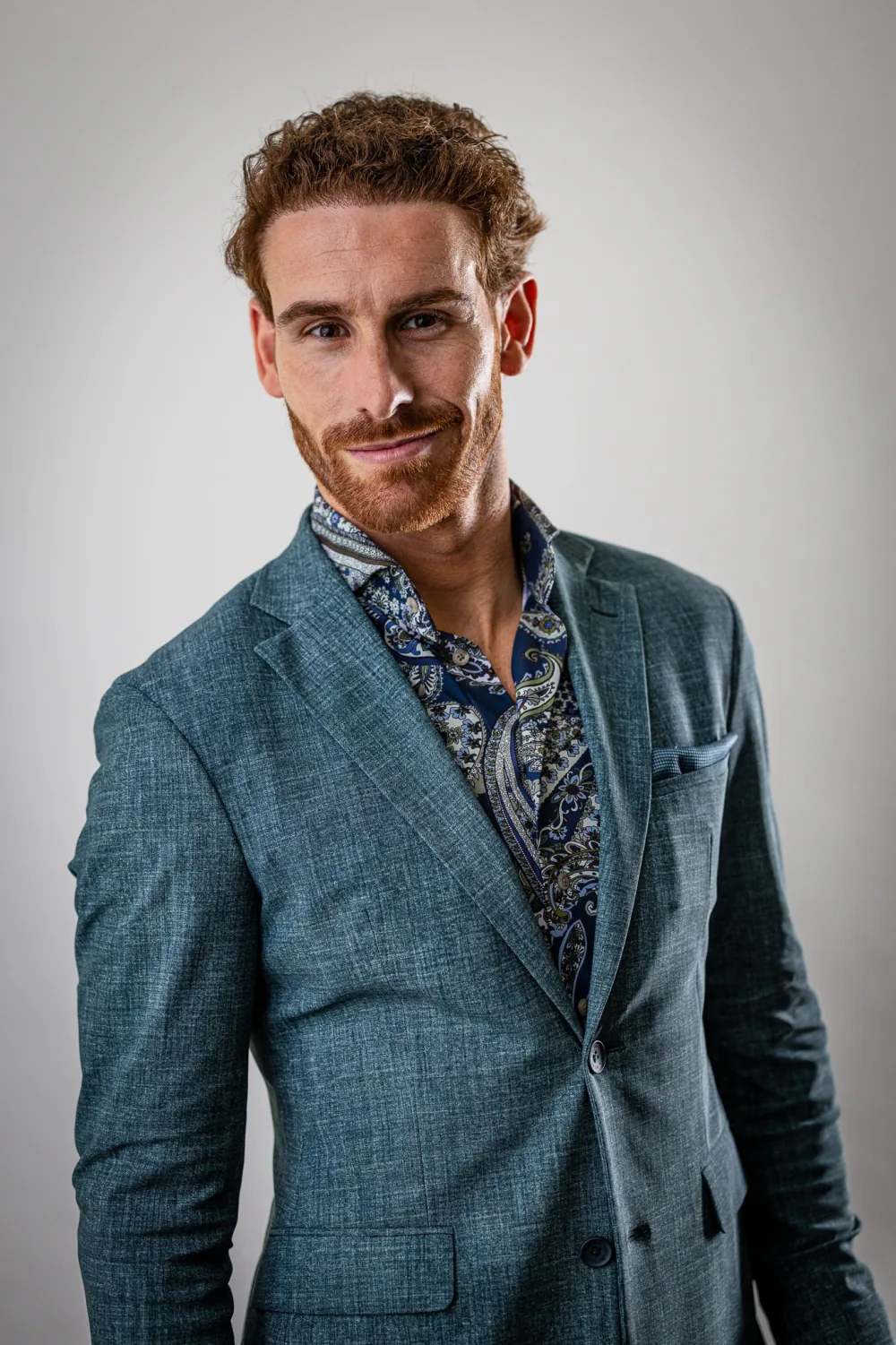
Managing Director · QualitätsVerbund Mediation (QVM) gGmbH
Certification according to the gold standard of mediation
I take on classical mediations as well as highly complex conflict situations. My particular strength lies where conversations have stalled, positions have hardened, or several layers of interest are at play at once.
Three fields where conflicts call for particular care and structure.
Family-owned businesses, owner-managed mid-sized companies, advisory boards bound by decades of grown loyalties. Where the formal agenda no longer carries because the real dispute lies beneath it.
Separation and custody, succession, inheritance, division of assets. Disputes where questions of recognition, loyalties, and unspoken expectations block what could be negotiated — and where legal routine tends to deepen the situation rather than resolve it.
Constellations with three or more parties, where conventional bilateral mediation is structurally overwhelmed. Procedural design, role clarification, and sequencing as a discipline in its own right.
Conflict is rarely a problem of communication. As a rule, it is a structural phenomenon — an expression of needs, questions of recognition, and loyalties that find no place within the existing order. To address the conflict through what is visible alone is to repair the symptoms and miss the situation.
Not merely facilitating, but leading the process. Not appeasing, but clarifying.
The work begins before the negotiation: with the precise reading of the structure. What holds the parties in their positions? Which needs are being fought out through the manifest dispute? Where is the point at which the system permits a different movement? This kind of diagnosis requires precise pattern recognition — and the willingness to set aside the obvious at first.

A family company in its third generation, three equally-rated lines, one capable successor. The formal question read: who takes over? The real one read: whose life plan must the family acknowledge for the renunciation to become bearable? The solution lay not in a personnel decision. It lay in constructing an order of recognition in which all three lines remained equally visible — independent of operational leadership.
An established mid-sized company under two managing directors whose role conflict had paralysed operations for two years. On the manifest level: disputes of competence, escalation in the board, staff adrift. On the structural level: an unresolved contest for recognition between the founding fathers, continued through the sons. The mediation, in the end, addressed not the managing directors but the generation before them.
A community of heirs with significant wealth, four siblings, seven years without agreement despite repeated attempts at legal mediation. The actual conflict was not a conflict over assets — it was an open question of the mother's voice being heard. Only once that voice had been reconstructed and acknowledged in a form binding for all siblings did the division of assets become workable in eleven weeks.
Accompaniment in acute escalations and crises — in executive boards, advisory boards, leadership circles. On behalf of one party, with a clear position. More direct and decision-oriented than mediative procedures, where decision rather than consensus is required.
Diagnostic clarification of what carries, blocks, or could tip a given constellation. As an independent advisory discipline under the mandate of one commissioning party — methodical prelude to conflict counsel or consulting. International.
More info →Counsel in complex organisational situations — efficiency analyses, structural diagnosis, methodical guidance. Within a mandate relationship, with outcome-oriented accountability. International.
More info →As Managing Director of the QualitätsVerbund Mediation, Dario Drebenstedt works on the standardisation and political visibility of mediation as a recognised profession in Germany. The QVM unites the four leading German mediation associations — BAFM, BMWA, DFfM, DGM — under a shared umbrella of quality.
Thematic focus areas include quality assurance in training and practice, recognition of mediation as an equivalent dispute-resolution procedure alongside the judicial route, and the integration of neurodivergent perspectives into mediative work — the latter the subject of a dedicated webinar in September 2026.
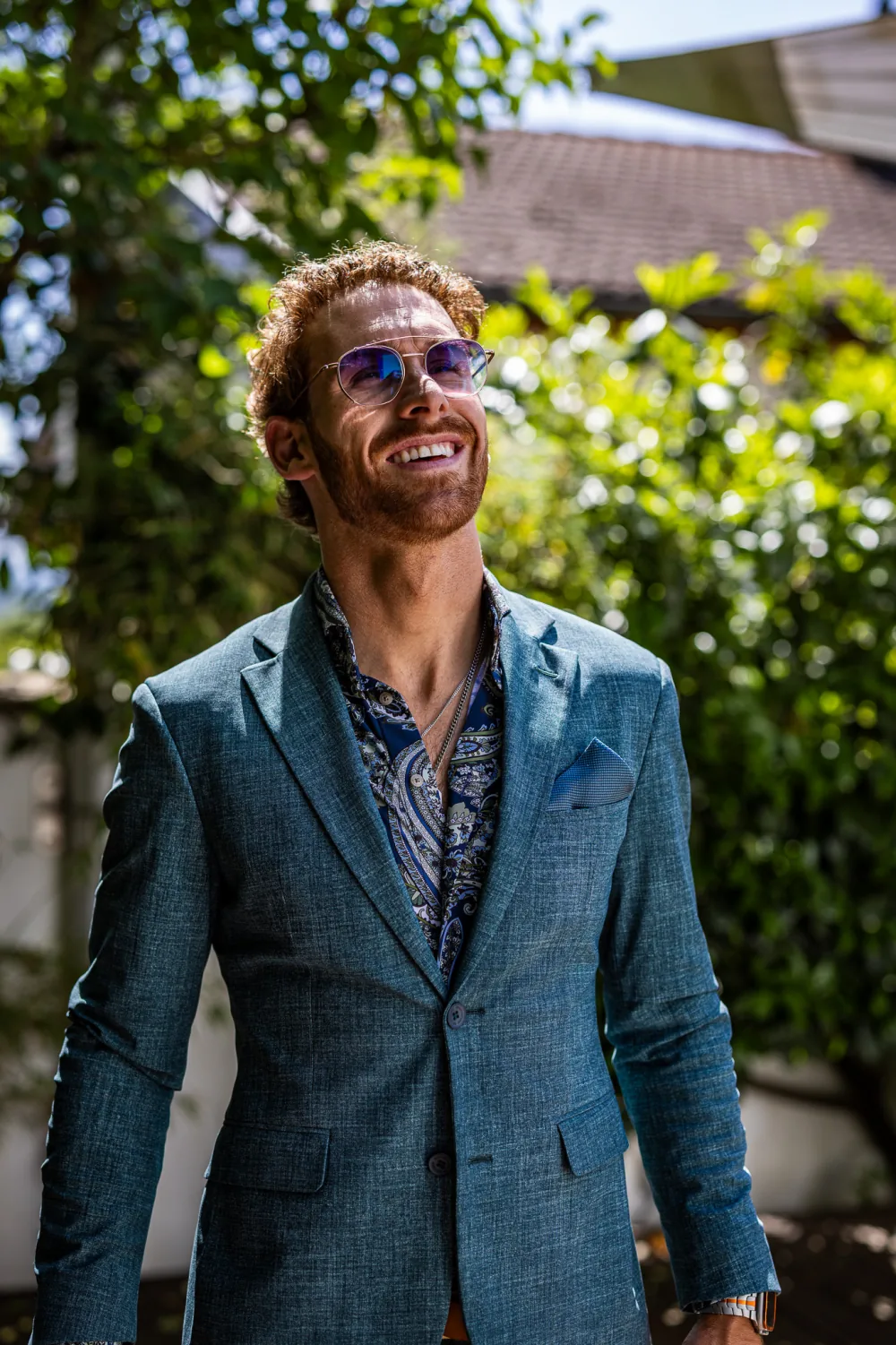
Dario Drebenstedt works at the intersection of systemic organisational development, crisis management, and mediation. He guides conflicts in companies and families where the complexity of the situation demands a method beyond standardised procedure. Based in Stuttgart — mediation in Germany, structural analysis and complexity consulting internationally.
His specialism is psychological structural analysis — the precise diagnosis of what holds, blocks, or tips a situation. He combines systemic counselling with the disciplines of crisis management and mediative procedure.